

Warts & Plantar Warts
What to do About Warts
A wart is a skin growth caused by some types of the virus called the human papillomavirus (HPV). There are more than 100 known types of HPV. HPV infects the top layer of skin, usually entering the body in an area of broken skin. The virus causes the top layer of skin to grow rapidly, forming a wart. Most go away on their own within months or years.
They can grow anywhere on the body. They are most common among children and young adults.
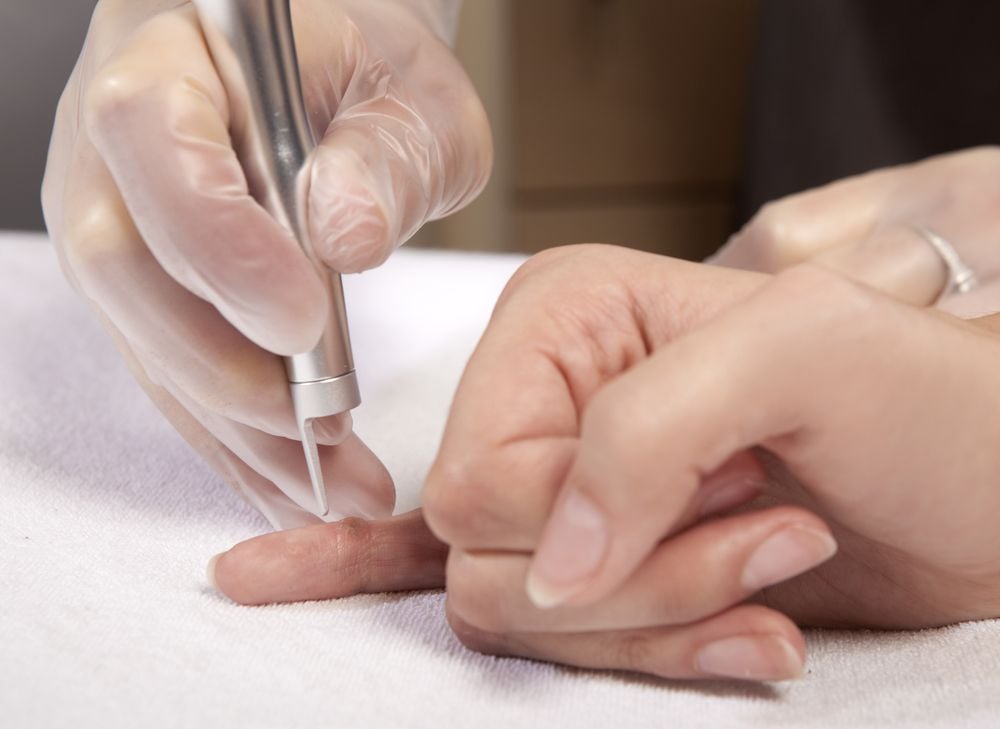
How are Warts Spread?
Warts are easily spread by direct contact with a human papilloma virus. You can infect yourself again by touching it and then another part of your body. You can infect another person by sharing towels, razors, or other personal items. After contact with HPV, it can take many months of slow growth beneath the skin before you notice a wart. We can help. Call us Today.
As experts in wart treatment, our dermatologists are able to prescribe the best possible treatment for your type of warts.
Types of Warts
There are five kinds of warts. They look different and form on different parts of the body.
Common warts grow most often on the hands, but they may be anywhere on the body. They are rough, shaped like a dome, and gray-brown in color.
- Plantar Warts: These warts grow on the soles of the feet, often appearing as hard, thick patches of skin. They usually have small, dark specks in the center, which are actually tiny clotted blood vessels. Plantar warts can be painful, especially when walking, as they may make it feel as if you're stepping on a small pebble.
- Flat Warts: Typically found on the face, arms, or legs, flat warts are small, smooth, and slightly raised. They usually have flat tops and will appear in various colors like pink, light brown, or light yellow. Because of their small size and flat appearance, they can often go unnoticed.
- Filiform Warts: These warts generally grow around the mouth, nose, or beard area. They have a unique appearance, with thread-like projections extending from the surface, making them look somewhat like tiny skin tags. Filiform warts are usually the same color as the surrounding skin, which is what makes them look like tiny skin tags.
- Periungual Warts: These warts grow under and around the toenails and fingernails. They have a rough, uneven surface and can cause discomfort by impacting nail growth. Periungual warts can be a problem if they interfere with nail function or cause pain.
Symptoms of Warts
Warts come in a wide range of shapes and sizes. It may be a bump with a rough surface, or it may be flat and smooth. Tiny blood vessels grow into the core to supply it with blood. In both common and plantar warts, these blood vessels may look like dark dots in the wart’s center. In most cases, the skin lines and creases over the wart look distorted. Warts are usually painless. But a wart that grows in a spot where you put pressure, such as on a finger or on the bottom of the foot, can be painful.
Diagnoses of Warts
A doctor usually can tell if a skin growth is a wart just by looking at it. Your doctor may take a sample of the wart and look at it under a microscope (a skin biopsy). This may be done if it is not clear that the growth is a wart. It may also be done if a skin growth is darker than the skin surrounding it, is an irregular patch on the skin, bleeds, or is large and fast-growing.
Treatment for Warts
Most warts, while annoying, don’t necessarily require treatment. They’re often harmless and can even go away on their own over time. However, if you’re dealing with warts that are painful, spreading, or simply bothering you due to their appearance, there are several options we can consider to help manage them.
Home Treatment
For starters, one of the simplest approaches is to try a home treatment. Over-the-counter options like salicylic acid can work. This treatment works by gradually peeling away the layers of the wart. Another interesting method that some people find success with is using duct tape. It sounds a bit unusual, but covering the wart with duct tape might help suffocate it, leading to its eventual removal.
This is where we come in, seek professional treatment.
If those methods don’t do the trick, or if the wart is stubborn, we can explore stronger treatments. There are prescription-strength medications that we can apply directly to the wart. Sometimes, injecting the wart with medicine can help your body’s immune system fight off the virus causing it.
Another common and often effective treatment is cryotherapy, which involves freezing the wart with liquid nitrogen. This method can be a bit uncomfortable, but it’s quite effective for many people.
In more persistent or severe cases, we might consider surgical options. These can include electrosurgery, where we burn off the wart, or curettage, which involves scraping the wart off. Laser surgery is another option that uses intense light to destroy the wart tissue.
Ultimately, the right treatment depends on your specific situation, including the type and location of the wart, as well as your personal preferences. We’ll work together to choose the approach that’s best for you, balancing effectiveness with your comfort.
Wart treatment does not always work. Even after a wart shrinks or goes away, warts may come back or spread to other parts of the body. This is because most treatments destroy the wart but do not kill the virus that causes the wart.